Toggle navigation
Menu
Menu
Home
Custom Heatsinks
Stacked Fin Heatsinks
Stacked and Folded Fin Heatsinks
Close
Heatpipe Assemblies
Heatpipe Assemblies
Close
Vapor Chamber Heatsinks
Vapor Chamber Heatsinks
Close
Aluminum Extrusion Heatsinks
Extrusion Heatsinks
Close
Active Heatsinks
Active Heatsink Solutions
Close
Skived Fin Heatsinks
Skived Fin Heatsinks
Close
Advanced Metal Fabrication
Advanced Metal Fabrication
Close
PCI-E Heatsinks
PCI-E Heatsinks
Close
Optics Heatsinks
Optics Heatsinks
Close
Close
Standard Heatsinks
25mm x 25mm Heatsink Solutions
25mm x 25mm Heatsink Solutions
Close
30mm x 30mm Heatsink Solutions
30mm x 30mm Heatsink Solutions
Close
35 mm x 35 mm Heatsink Solutions
35mm x 35mm Heatsink Solutions
Close
37.5mm x 37.5mm Heatsink Solutions
37.5mm x 37.5mm Heatsink Solutions
Close
40 mm x 40 mm Heatsink Solutions
40mm x 40mm Heatsink Solutions
Close
45 mm x 45 mm Heatsink Solutions
45mm x 45mm Heatsink Solutions
Close
Close
Services
Computational Fluid Dynamics (CFD)
Computational Fluid Dynamics (CFD)
Close
3D and 2D Mechanical Heatsink Design
3D and 2D Mechanical Design
Close
Finite Element Analysis (FEA)
Finite Element Analysis (FEA)
Close
Fully Equipped Thermal Lab
Fully Equipped Thermal Lab
Close
High-Volume Manufacturing and Prototyping
High-Volume Manufacturing and Prototyping
Close
Close
About us
Leadership Team
Client Portfolio
Patents and Innovations
Location
Close
Heat Sink Calculator
Natural Convection Heat Sink
Forced Convection Heat Sink
Close
Contact us
Home
>
Services
Services
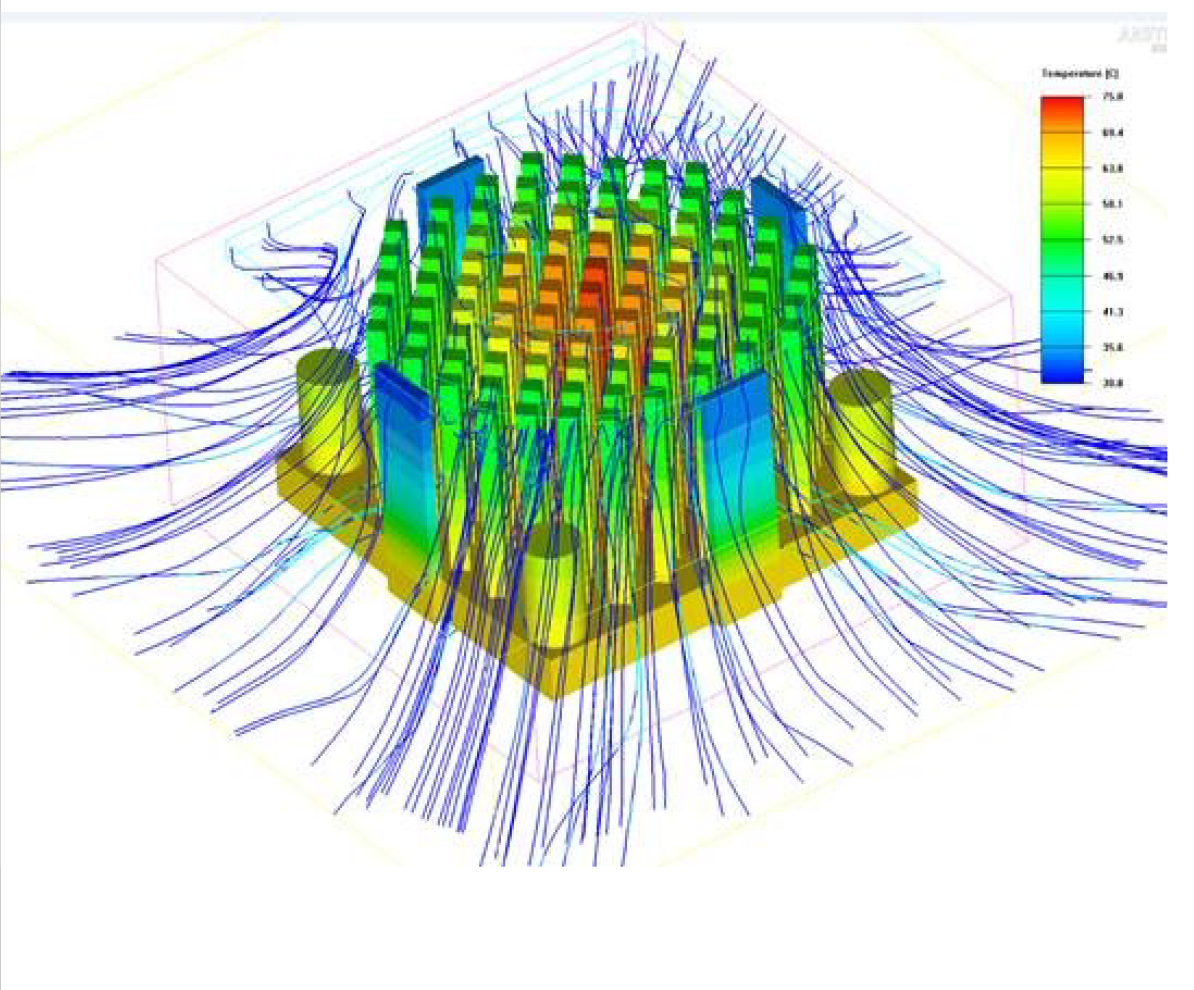
Computational Fluid Dynamics (CFD)
Heatscape engineers use the latest CFD thermal analysis tools to accurately simulate the thermal behavior of a particular device,board, or chassis.
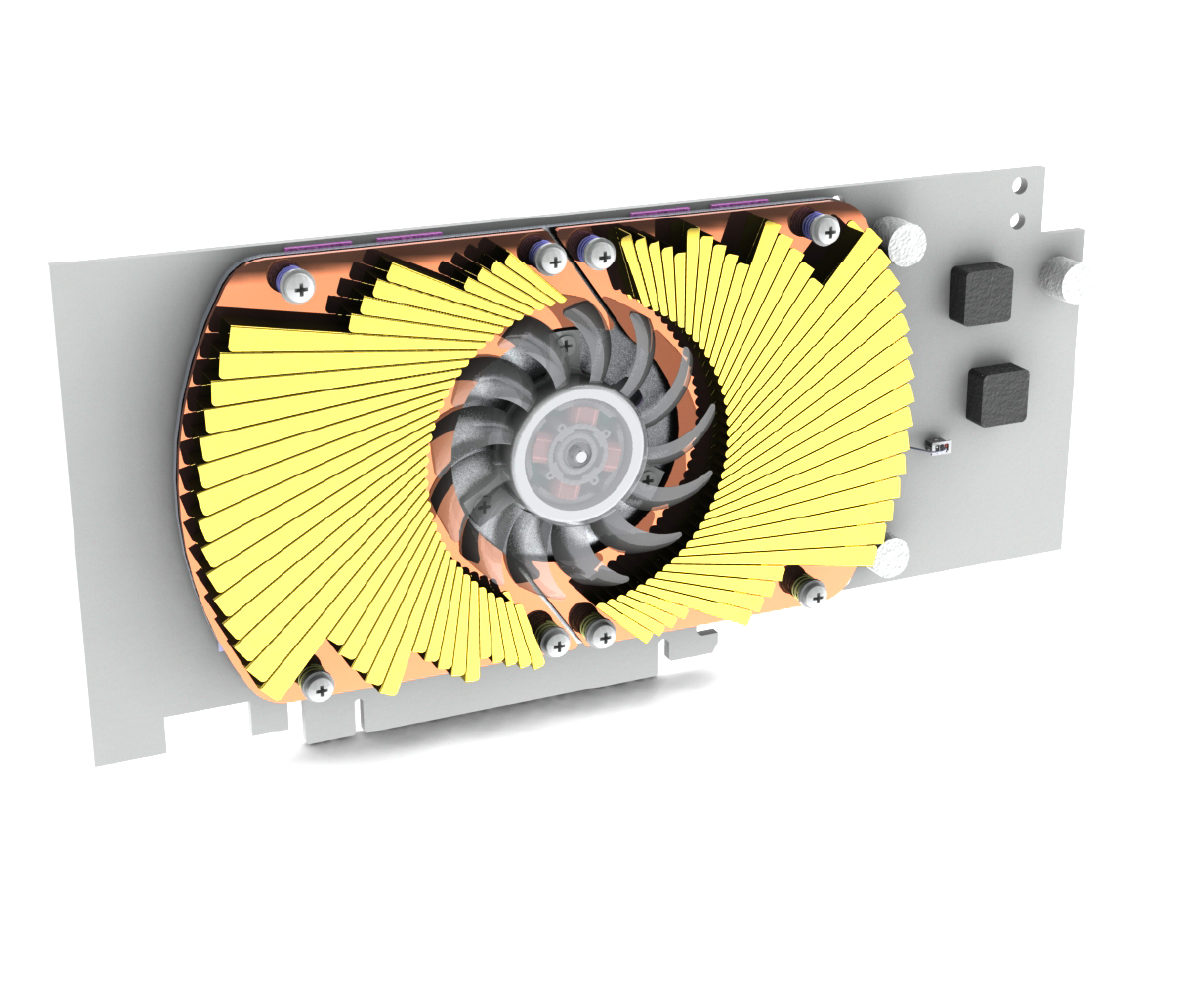
3D and 2D Mechanical Design
Heatscape design and manufacturing teams utilize the latest in 3D CAD design tools such as Soldworks, ProE, and AutoCAD to accurately and realistically design thermal solutions, and to insure its fit and function within customer applications.
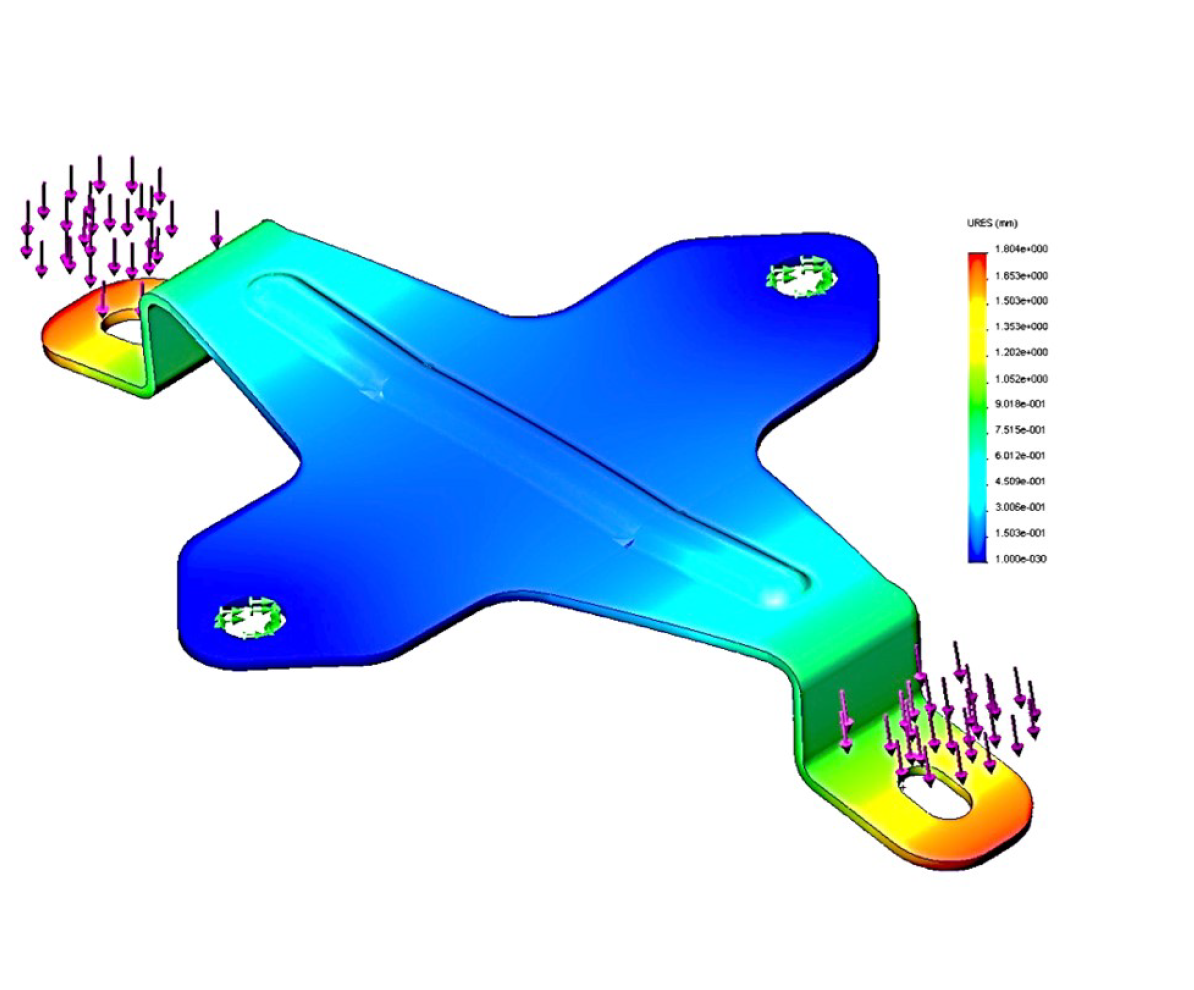
Finite Element Analysis (FEA)
Beyond designing a thermally effi- cient heatsink, running finite element analysis is a critical step in determining if the mounting mechanism used is mechanically sound.
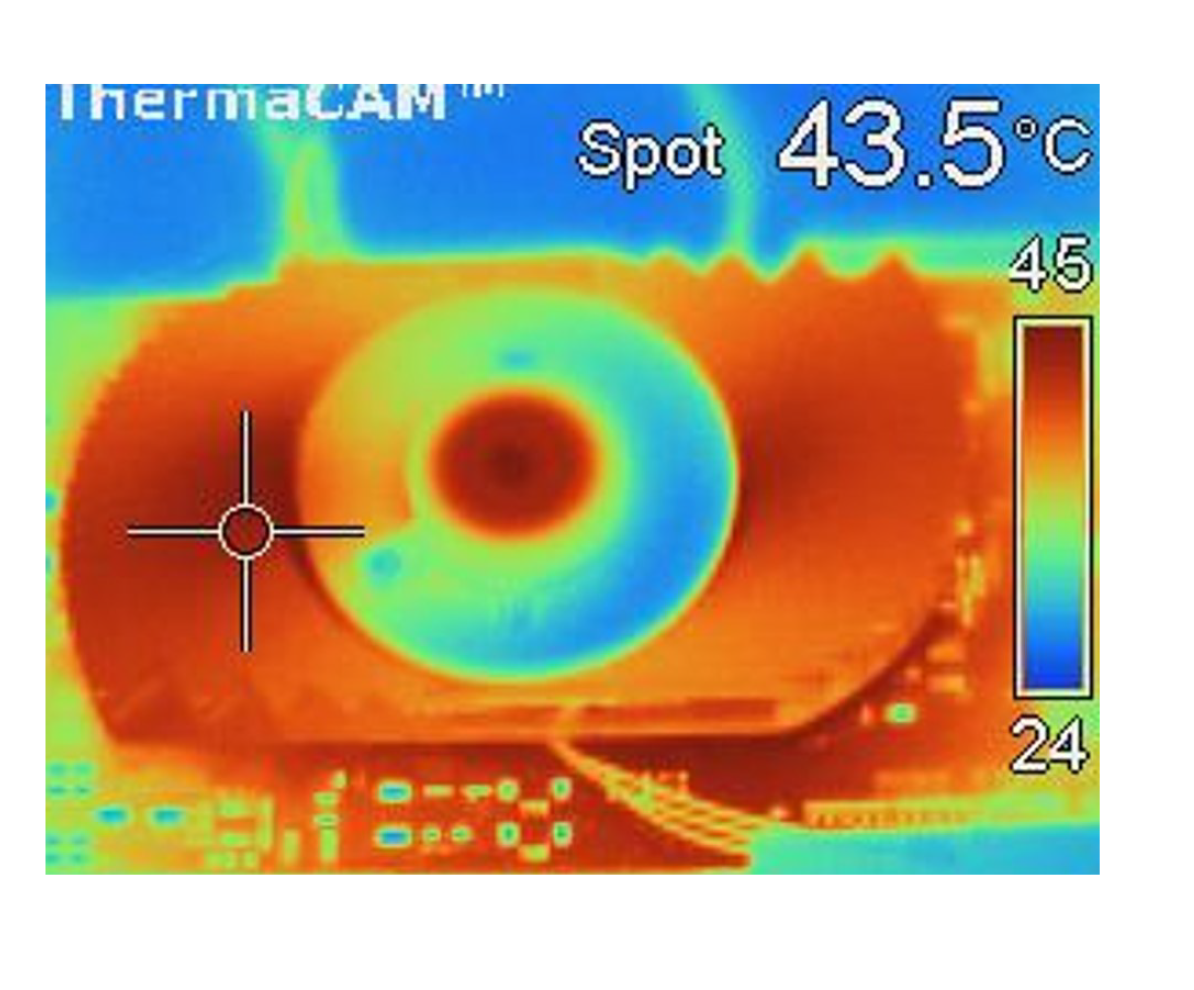
Fully Equipped Thermal Lab
Heatscape’s thermal lab is where the validation of design and simulations take place. Our thermal lab has been expanded in recent years to include our custom-built Thermal Test Vehicles (TTV) for accurate chip-level temperature measurement.
High-Volume Manufacturing and Quick Turn Prototyping
Heatscape understands the importance of designing products that are also manufacturable.
Heatsink Calculator
Heatscape’s thermal design calculator will help characterize your heatsink concept, and point you in the right direction for your thermal needs.